PONIES - TV Series
EP 1 & 2 DIRECTOR : SUSANNA FOLGEL
EP 6 & 7 DIRECTOR : ALLY PANKIW
CAMERA: SONY VENICE 2 + SONY FX3 FULL FRAME 3:2 6K
LENSES: PANAVISION PANASPEEDS & ANGENIEUX FF ZOOMS
LOCATION: BUDAPEST, HUNGARY
Lead Director of Photography on P.O.N.I.E.S., photographing Episodes 1, 2, 6 and 7, establishing and carrying forward the show’s visual grammar.
OVERVIEW
P.O.N.I.E.S. is an eight-part Cold War espionage thriller set in Moscow, 1977, following two seemingly overlooked women inside the diplomatic bubble of the U.S. Embassy who are dismissed as “persons of no interest.” When their husbands die under suspicious circumstances, they’re pulled into a dangerous world of surveillance, deception and shifting loyalties—where every conversation may be monitored and trust becomes the most valuable currency.
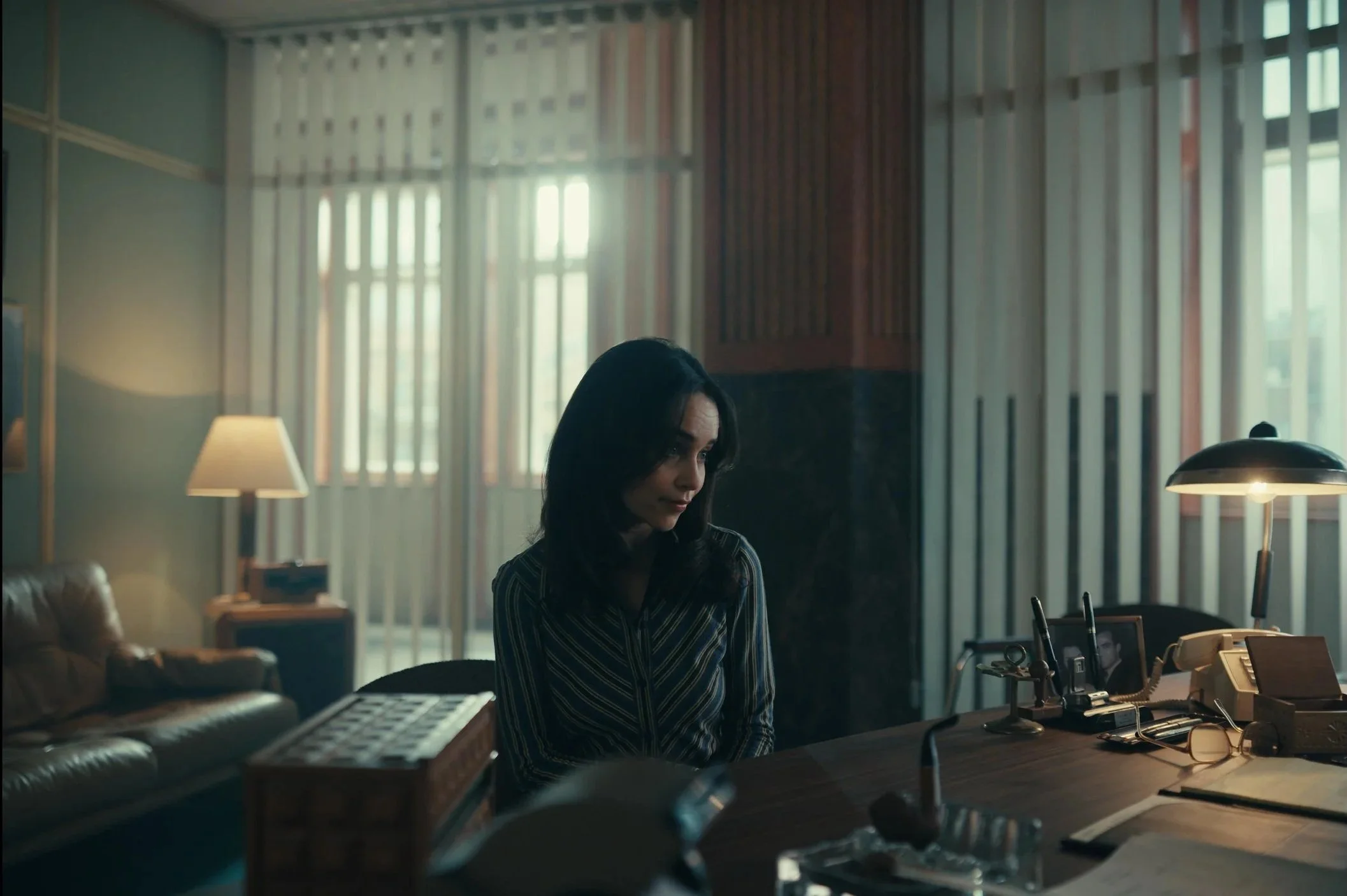
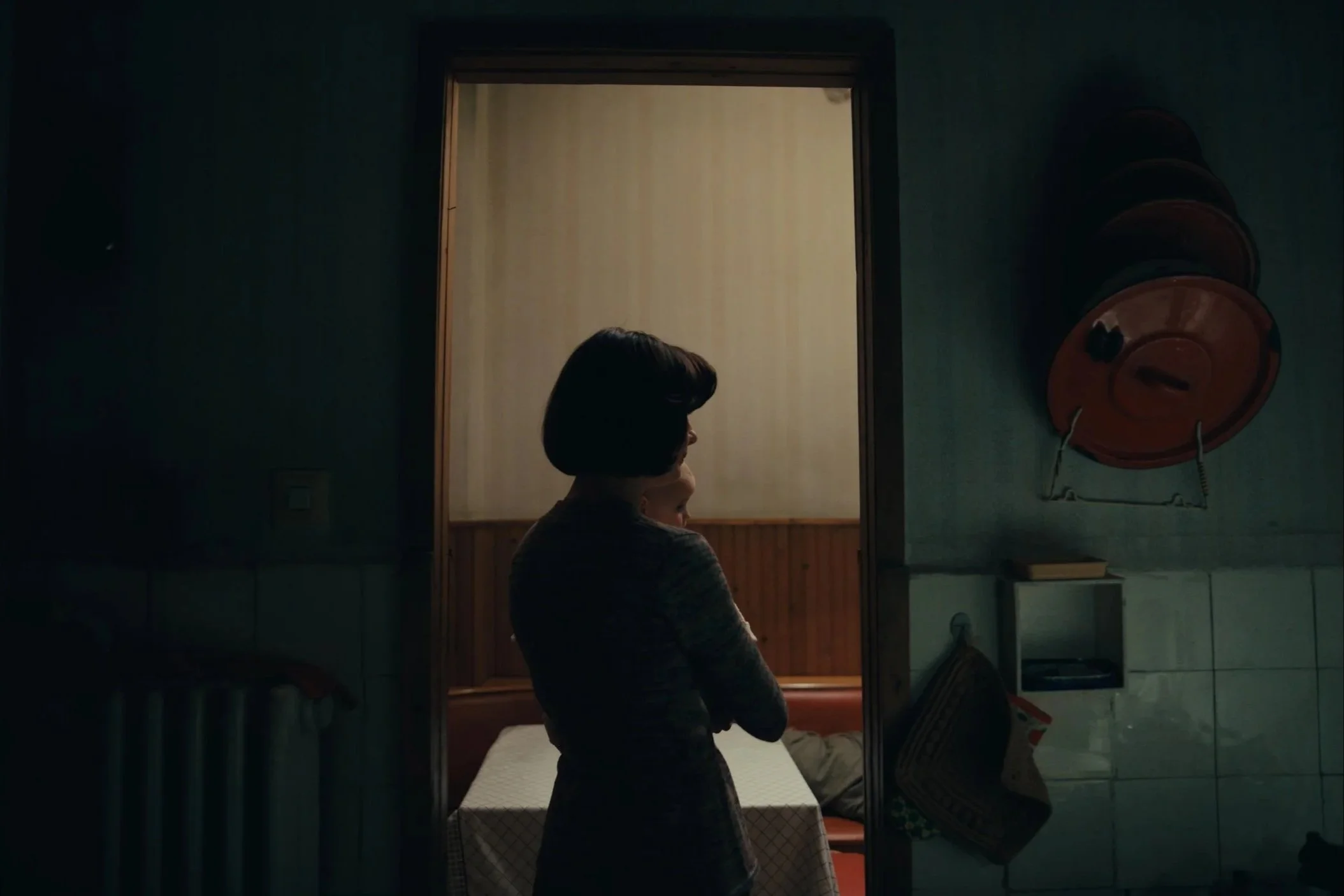
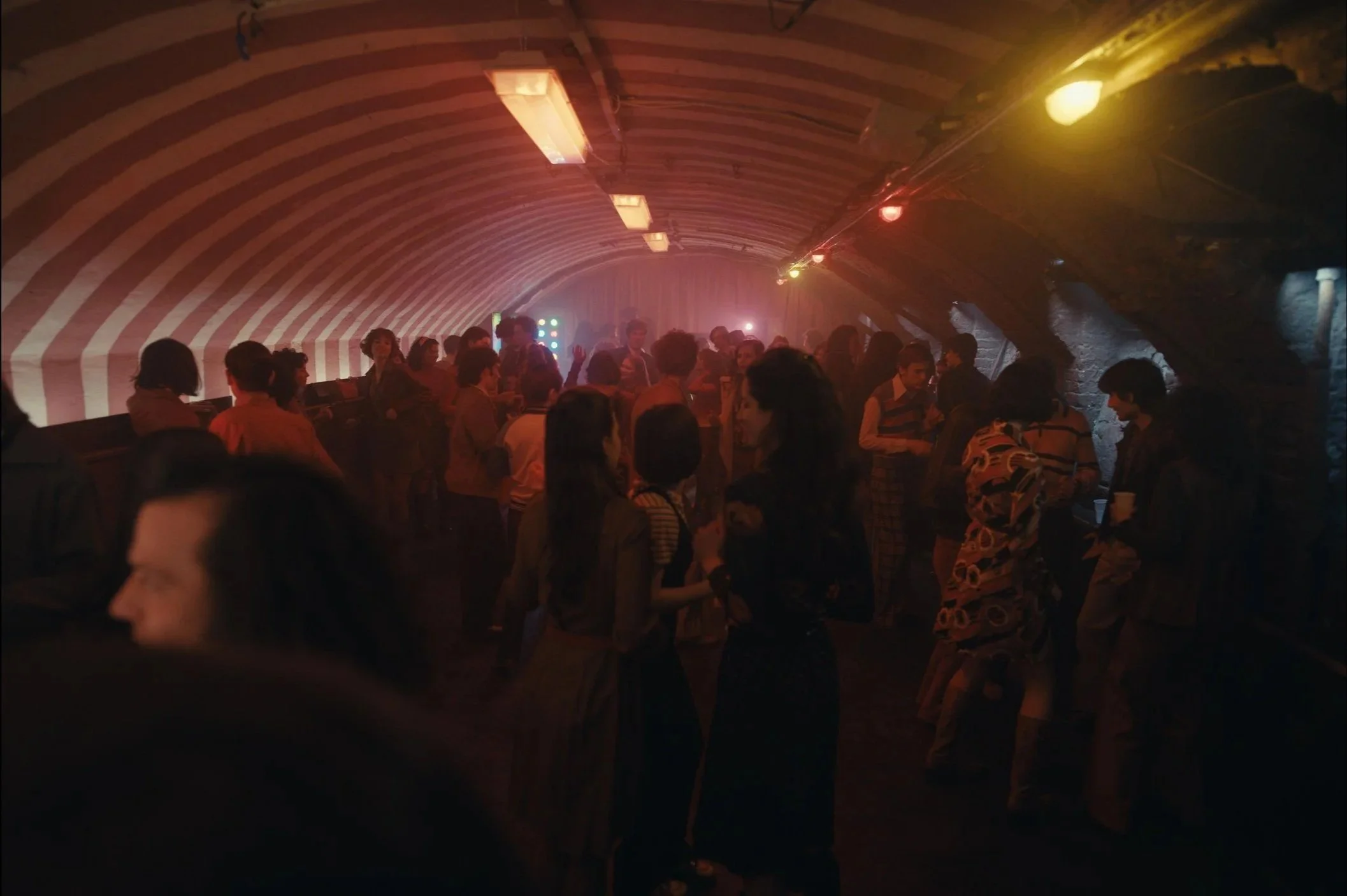
Visually, P.O.N.I.E.S. is designed to feel colourful, fresh and slightly off-kilter, while remaining intimate and boldly naturalistic—as if each scene could be lifted from a curated 1970s photography book. The goal is a look that’s specific to the era: vibrant but grounded, stylised but emotionally close, with images that carry texture, warmth, and an underlying sense of pressure.
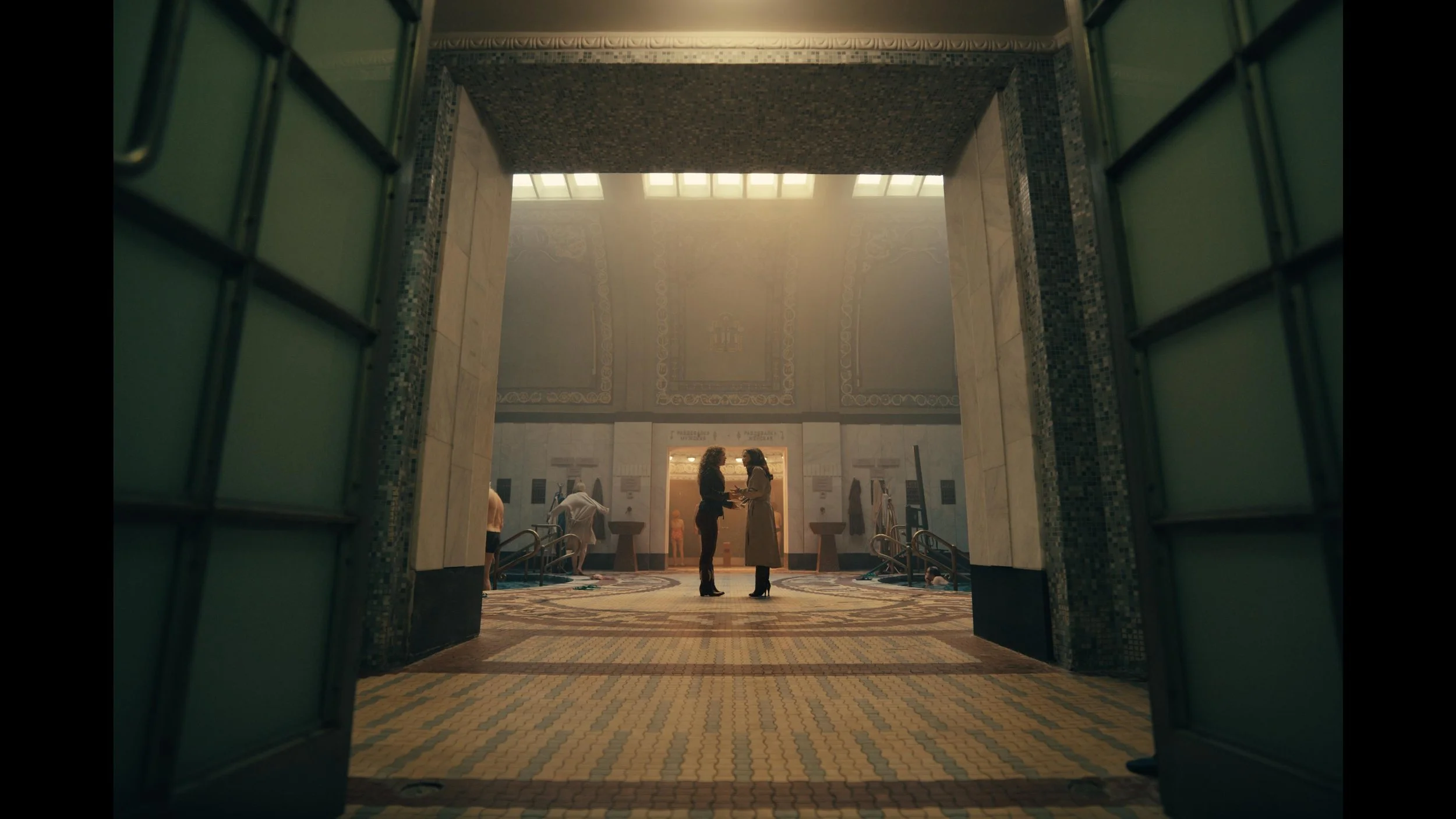
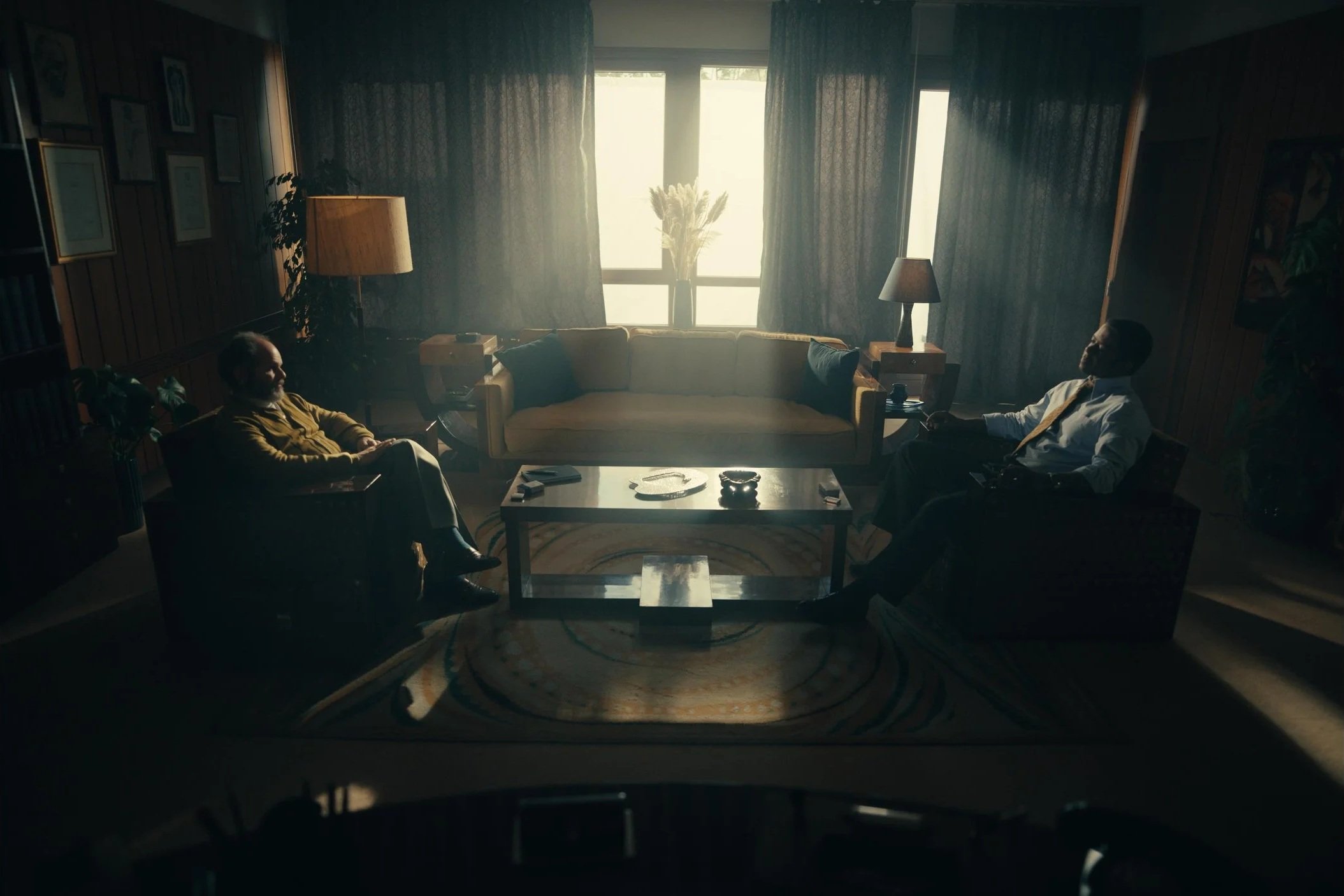
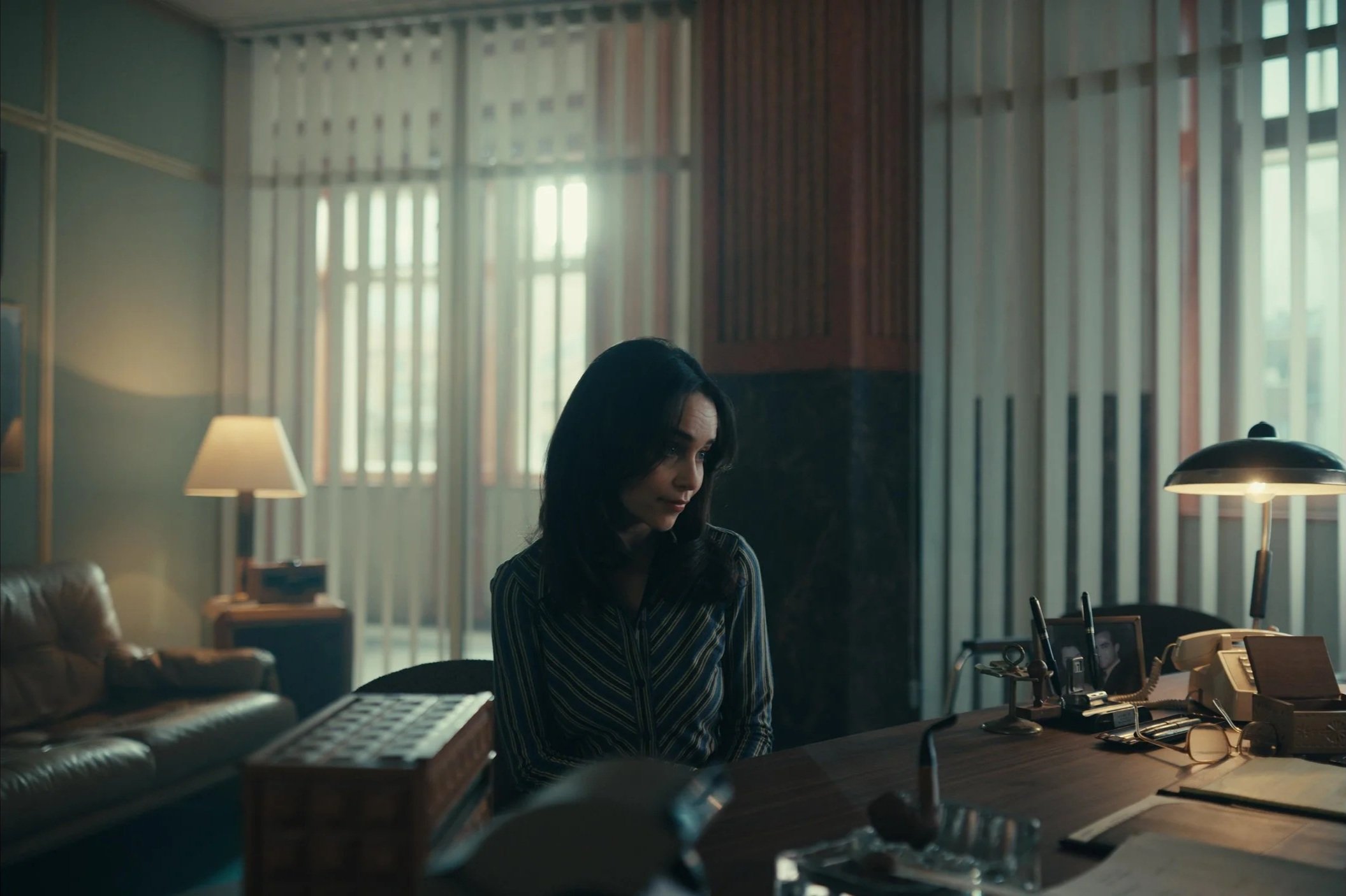
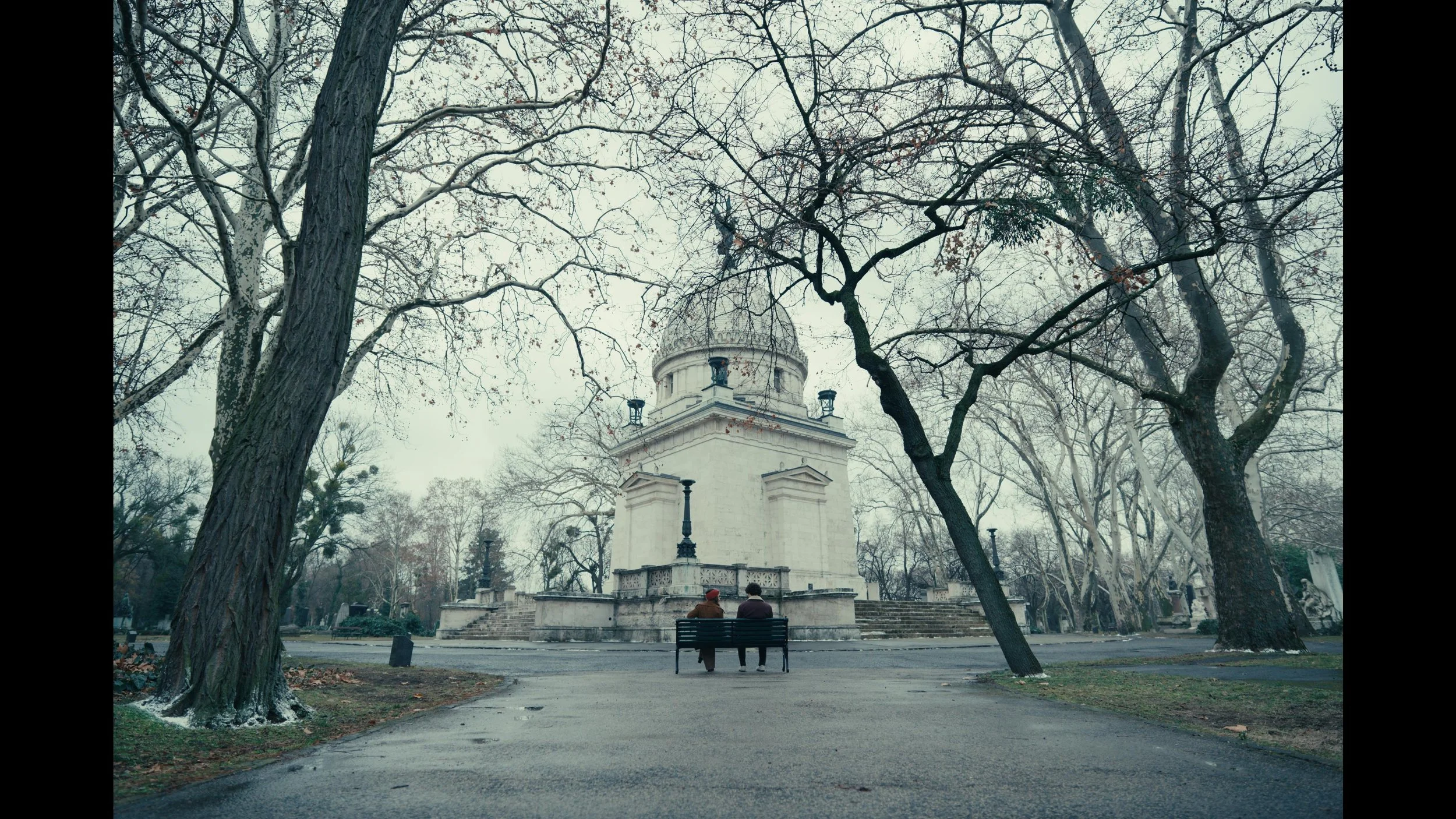
A key pillar of the show’s visual language is symmetry. Soviet architecture and interiors often lean into perfect balance, and the camera uses that to our advantage—compositions that feel deliberate, orderly, and quietly imposing. Layered into that is a recurring motif of frames-within-frames—doorways, corridors, windows, partitions—creating the suggestion that “big brother” is always present, always watching. The environment itself becomes part of the storytelling: rigid spaces and institutional order set against human warmth, individuality, and private emotion.
To support that approach, the series was photographed on the Sony VENICE 2, capturing a large-format 3:2 spherical image in 6K. That format allowed the show to hold scale in wide compositions while still giving us the option to live close to the actors—shallow depth, separation, and a gentle falloff when the story needed intimacy. The lens package combined Panavision PanaSpeed primes with Angénieux zooms, giving us a consistent, period-appropriate feel with the flexibility to shift between composed precision and more reactive, character-driven coverage. For select rigging, tight spaces, and crash housings, a Sony FX3 was used to maintain a compatible image pipeline while enabling shots that would be difficult or unsafe with the primary camera.
Movement is used sparingly but purposefully. Slow zooms and slow tracks quietly tighten a scene—drawing attention, increasing intensity, and letting a chosen moment breathe without announcing itself. When the scene calls for immediacy, the style pivots to a more organic handheld approach: clean singles, tight eyelines, and an “in the room” closeness that keeps the audience locked to the characters’ experience.
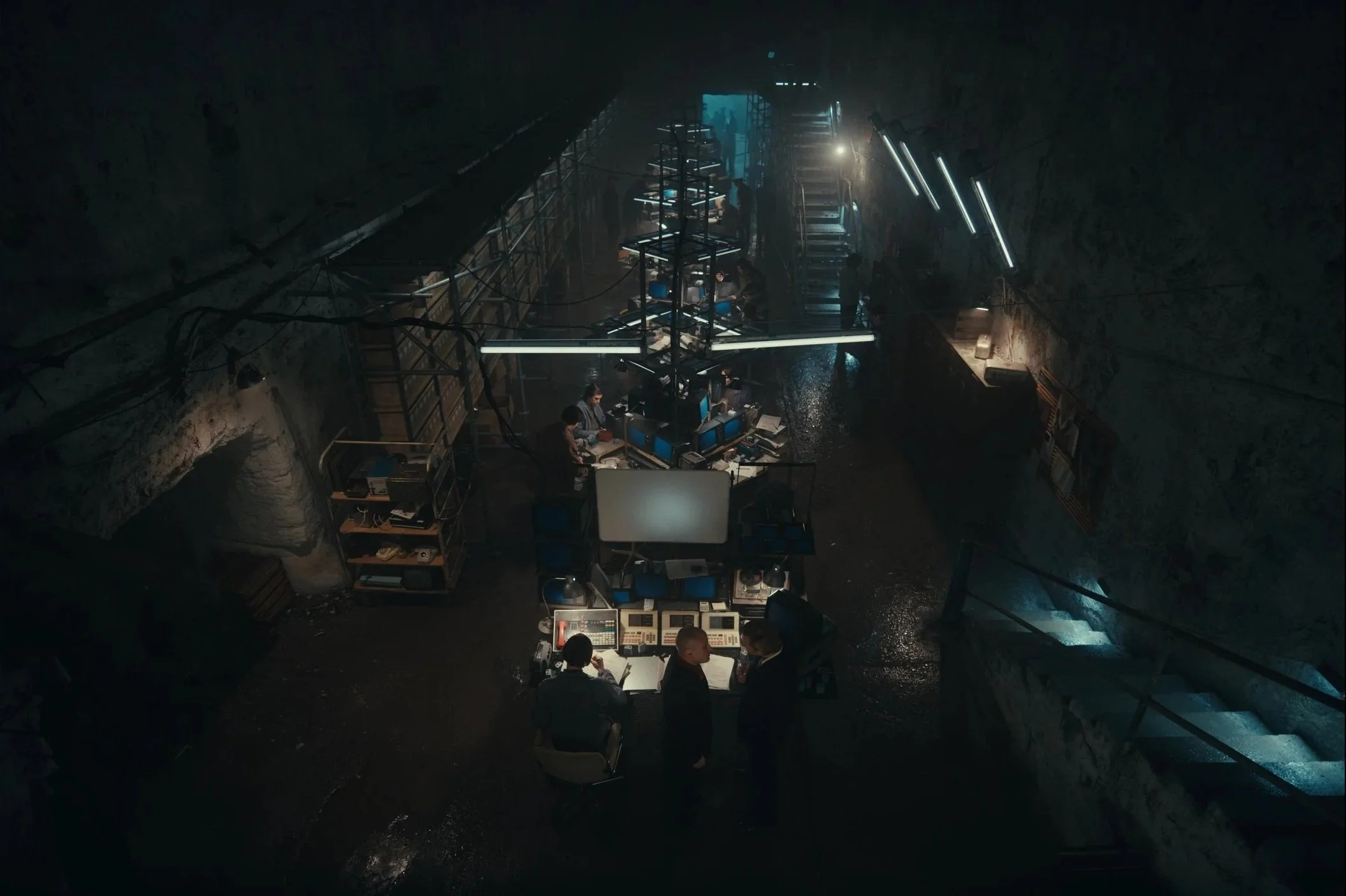
Shot in Budapest, Hungary, the production used its locations and set design to evoke the weight and texture of late-’70s Moscow—where institutions loom, interiors feel observed, and the city seems to lean in on the characters as the narrative closes around them.